)
)
)
The Great Housing Reset: Rethinking How Chicago Lives
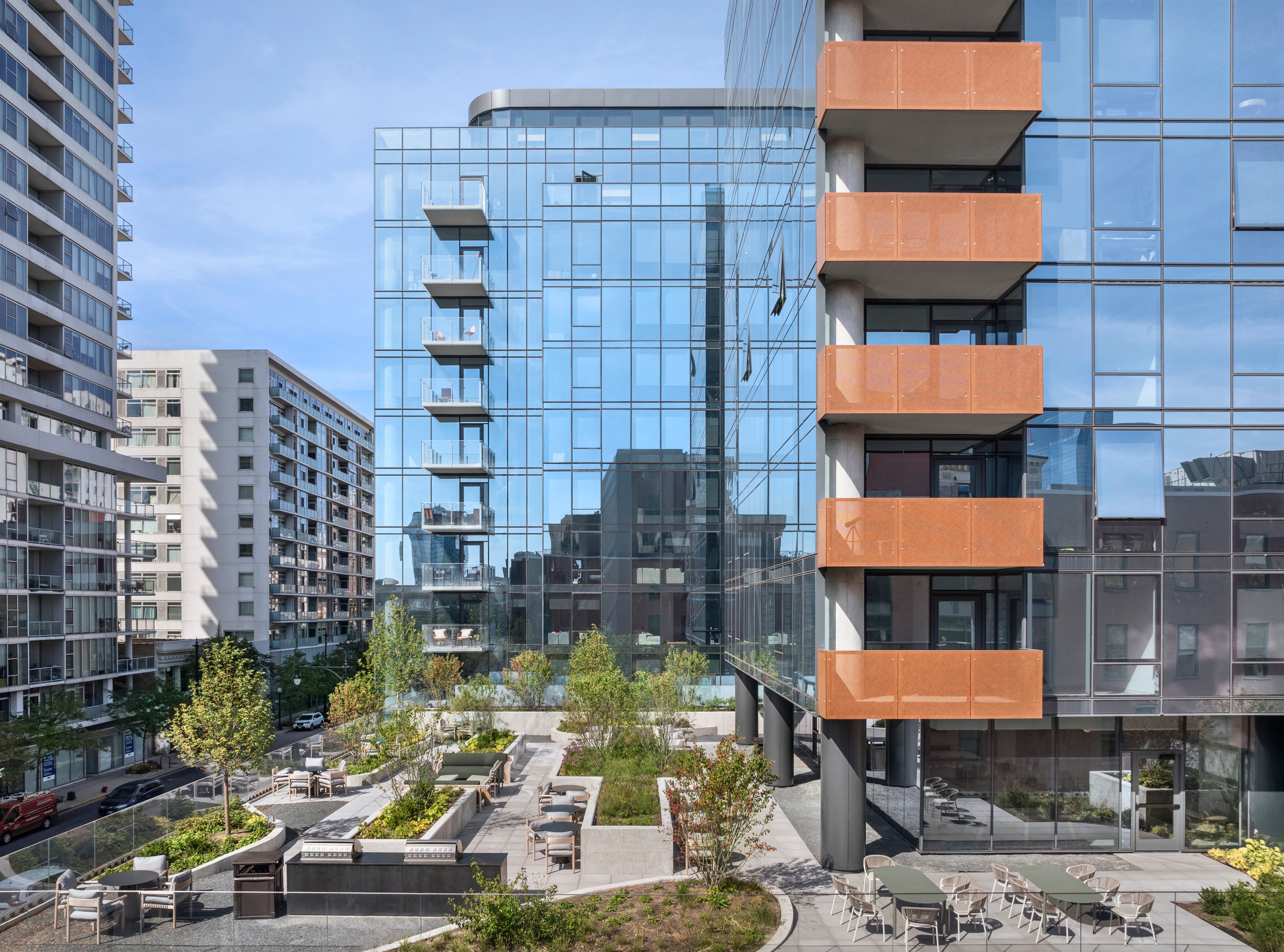
Housing shapes almost every aspect of daily life, from health and wellbeing to work, family, and community. Yet the spaces in which people live and work are being reconsidered as hybrid working, changing household structures, and new expectations of home continue to reshape the built environment.
In Chicago, these shifts are visible on both sides of the property market. CBRE’s Q2 Office figures in 2026 show that direct office vacancy in downtown Chicago reached 26.8% in the second quarter of 2026, with more space still being vacated than occupied. Meanwhile, residential units are working double time to accommodate a wider range of activities, including work, wellness, caregiving, and social connection.
To explore how these forces are changing residential design and development, we spoke with Sean O’Gorman, RA, LEED AP, Gensler’s Global Residential Practice Area Leader. Drawing on more than two decades of experience in multifamily and mixed-use development, Sean discusses flexible living, office-to-residential conversions, affordability, and the future of people-centered cities.
About Sean O'Gorman:
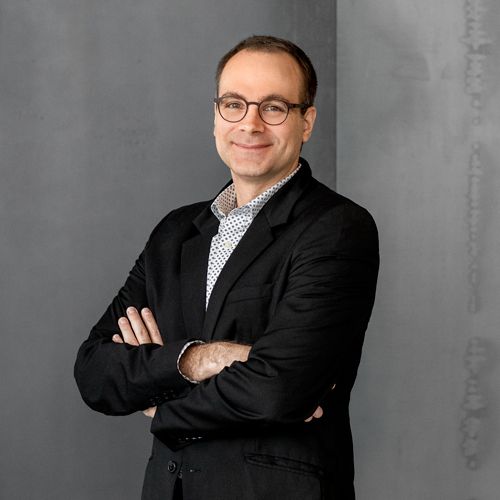
Sean is an architect, LEED accredited professional, and member of the Chicago Committee on High Rise Buildings. With more than 20 years of experience, he has guided the design and delivery of large-scale multi-family and mixed-use projects across the country — leading projects from concept and entitlement phases, through design, documentation, and construction. Sean specializes in planning purposeful and thoughtful places for people to live. His holistic approach integrates experience-driven design with sustainability, wellness, and performance-based solutions.
1. Looking back on your career, what first drew you to architecture and design, and was there a defining moment that shaped the path you've taken?
“I've always been drawn to the built environment. Growing up in Milwaukee, I was inspired by historic neighborhoods filled with Craftsman and bungalow-style homes and spent a lot of time drawing and building forts as a child.
Later, after high school, my perspective on architecture was shaped while working for a homebuilder. I became fascinated by how structure, light, and air come together to address our most basic human need—shelter. That experience solidified my passion for residential design, and while there wasn't one defining moment, there were many that confirmed I was on the right path.”
2. Housing needs are changing rapidly. What do you see as the most significant shifts in how people want to live today compared with a decade ago?
“Flexibility has become a defining factor in housing. Since the pandemic, people expect their homes to support a wider range of activities, from work to wellness to social connection, while affordability and housing supply have become increasingly urgent concerns. At the Gensler-designed Nevéseno apartments in Chicago's South Loop, flexible and multigenerational living extend the usefulness and resilience of the building for years to come while meeting today’s market.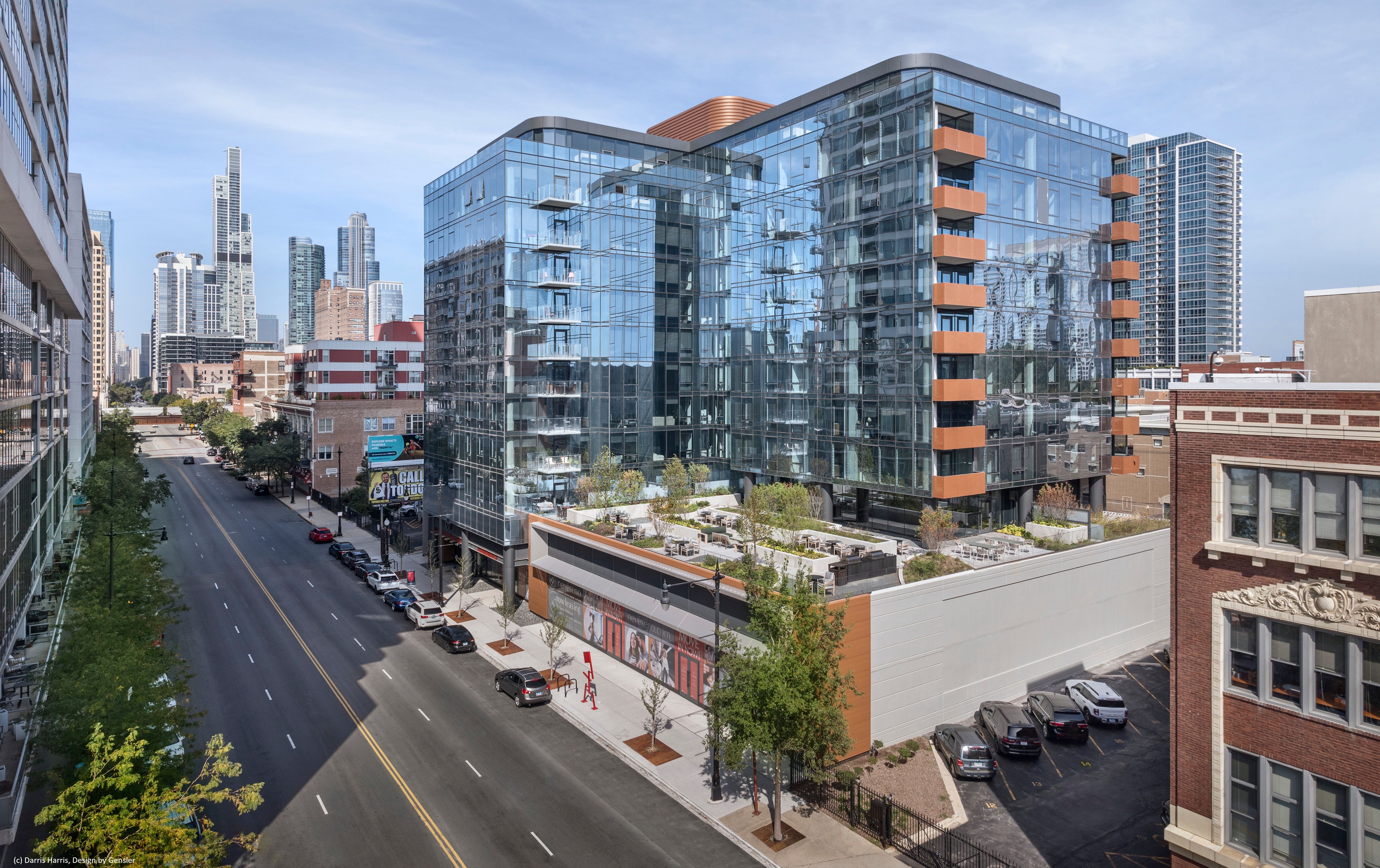
We're also seeing greater demand for walkable neighborhoods, access to nature, and meaningful community connections. As technology becomes more integrated into daily life, people are increasingly seeking spaces that foster authentic human interactions. That's why I believe that structure, light, air, and passive environmental strategies remain so important, creating buildings that are adaptable and resilient over time.”
3. We're seeing more and more office-to-residential conversions. Why has adaptive reuse become such an important conversation for cities like Chicago?
“As some of the country's other markets begin to cool, Chicago is gaining momentum thanks in part to forward-thinking public policy, such as initiatives like LaSalle Street Reimagined and the modernization of the city's building code. Together, these make for an ideal opportunity for adaptive reuse, addressing both higher office vacancy rates and growing residential demand.
Gensler’s research has found that successful office-to-residential conversions depend heavily on the building itself, with factors such as daylight access, floor plate size, and structural layout playing a critical role. Fortunately, many of Chicago's older office buildings already have the qualities that lend themselves to residential reuse. Conversions can help address our housing shortage while minimizing our carbon footprint. Adding more residents downtown creates activity beyond the workday, supports local businesses, and helps build a healthier, more resilient city. “
4. How can developers and design teams balance priorities such as sustainability, wellness, and resident experience with affordability and project viability?
“We're hearing a lot about a "great housing reset," including important conversations around housing affordability and the missing middle. We first need to understand how the experiential goals impact project viability and then look for opportunities to innovate on delivery. Approaches such as prefabrication, modular construction, and design standardization can help reduce costs, shorten timelines, and minimize waste while maintaining design quality.
I've also come to appreciate that design is only one part of the solution. We need more policies that incentivize thoughtful density, set meaningful performance standards, and help bridge affordability gaps so that sustainable, healthy housing remains both attainable and financially viable.”
5. If we were having this conversation again ten years from now, what do you hope will have changed most about housing, cities, and the way we design places for people to live?
“I hope we'll see more inclusive and multigenerational housing options, along with cities that are increasingly walkable and centered on people. I'd like to see community become the most valuable amenity, bringing energy and activity from within buildings down to streets, sidewalks, parks, and neighborhoods where people can connect naturally. And if future technologies transform transportation and delivery, even more ground-level space could be reclaimed for pedestrians, pets, and public life.”
6. What advice would you give to young architects who are just starting their careers?
“I would encourage young architects to stay curious and keep an open mind. Learn all that you can about everything that you can. Some of my most meaningful opportunities came from looking beyond my immediate role and gaining perspective from adjacent disciplines and broader viewpoints.”
As the boundaries between living, working, and wellbeing continue to evolve, design must become more adaptable to the people and communities it serves. Sean’s insights demonstrate that flexibility and adaptability are key qualities for buildings and spaces to respond to changing lifestyles, household structures, and long-term needs.
Chicago’s underused office buildings also present an opportunity to rethink how existing spaces can be utilized effectively to address housing needs whilst reducing carbon at the same time.
Join Sean O’Gorman for his panel discussion, “PANEL: What's the Next Big Move for Multifamily Real Estate?” on October 29, 1:00 – 1:50PM CST.
Chicago Build provides a platform where current issues and topics in the Midwest’s AEC industry are discussed. For more conversations on adaptive reuse, policy shifts, housing reforms and market updates, check out the conference agenda on our Architecture & Design Track, Real Estate Track, and Future of Midwest Track.
Sources
Federal Reserve Bank of Chicago – Convening on a Bus to Explore Affordable Housing Across Chicago (2026): https://www.chicagofed.org/publications/chicago-fed-insights/2026/2025-convening-chicago-affordable-housing
Pew Charitable Trusts & Gensler – Chicago and Washington Among Cities Well Suited for Office-to-Co-Living Conversions (2025): https://www.pew.org/en/research-and-analysis/articles/2025/04/18/chicago-and-washington-dc-among-cities-well-suited-for-office-to-co-living-conversions
Pew Charitable Trusts – Converting Obsolete Offices to Small Co-Living Apartments Could Help Ease U.S. Housing Shortage (2026): https://www.pew.org/en/research-and-analysis/articles/2026/03/24/converting-obsolete-offices-to-small-co-living-apartments-could-help-ease-us-housing-shortage
Chicago Association of REALTORS® – 2026 Residential Real Estate Outlook: https://chicagorealtor.com/the-2026-residential-real-estate-outlook/